Checked 9 November 2026. Applications are not open. The board was appointed on 11 September 2026 and holds its first rulemaking hearing on 10 December 2026, starting with the fee insurers pay. No rule on grant amounts, eligibility or application dates has been proposed. We update this box as the Division of Insurance publishes rules.
What it hasn't done yet is say how much a grant will be, who gets one first, or when to apply. This guide sets out what the law already settles, what is still up to the board, and how to decide whether waiting makes sense for your house.
What SB26-155 created
SB26-155 took effect on 12 August 2026. It set up the Strengthen Colorado Homes Enterprise inside the Colorado Division of Insurance, run by a seven-member board chaired by the Insurance Commissioner, with seats for insurers, consumers, counties and roofing experts.
The money comes from insurers. Starting in 2027, companies that write multiperil homeowners policies in Colorado pay a fee equal to 0.5 percent of the previous year's premiums, and the law bars them from adding it to policyholders' bills as a surcharge. Legislative staff estimated about $30.2 million in the first year. At least 85 percent of the revenue has to go to homeowner grants, with the rest available for training roofers to install and certify resilient roofs.
| Question | What the law already says | Still waiting on the board |
|---|---|---|
| Who runs it | Strengthen Colorado Homes Enterprise, inside the Division of Insurance | Which outside vendor, if any, administers applications |
| Who goes first | The owner's primary residence. The board also weighs income, roof age, home size, number of applicants, local hail-resistant building codes and storm history | How those factors are scored |
| Which roofs qualify | A "resilient roof system": a roof with verified wind and hail certification from the IBHS FORTIFIED program, or a similar science-based certification the board approves | The standard itself, and which products and methods meet it |
| What you'll have to do | Insured home, building permit, code compliance, inspections, licensed contractor | Application steps and documents |
| Grant size and timing | Not set | Award amounts and schedule |
| Contractor rules | A contractor paid with grant money may not waive deductibles | The full contractor code of conduct |
Who the grants are meant for
The board must put primary residences first. After that, it weighs household income, roof age, home size, the number of applicants, local hail-resistant building codes and the location's storm history. A 1990s ranch in Security-Widefield and a newer two-story in Briargate could land in very different places on that list.
Meeting the criteria won't guarantee an award. Fee revenue sets the pool, and legislative analysts assumed the fee rate would drop after year one to stay under the state's enterprise revenue cap.

Why a Class 4 shingle may not be enough
Most people hear "hail-resistant roof" and think of Class 4 shingles, the top rating under the UL 2218 impact test. The law uses a different yardstick. It ties the grant to certification of the whole roof, and it names the IBHS FORTIFIED program as the reference.
FORTIFIED is an installation standard. A FORTIFIED Roof calls for:
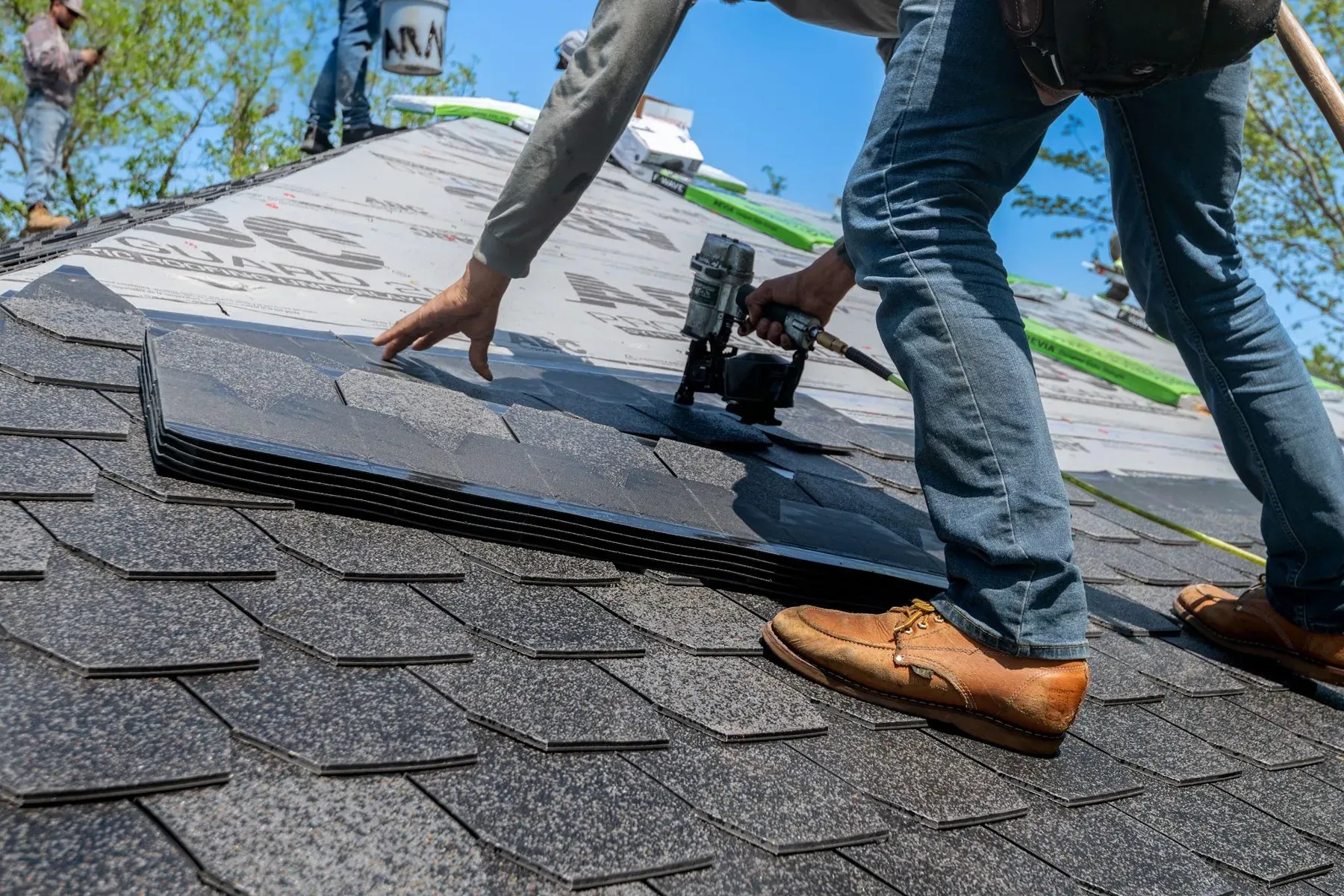
- Tear-off to bare decking, so the deck can be inspected and re-nailed
- Ring-shank nails at tighter spacing (IBHS testing found this can roughly double the uplift a roof deck withstands)
- A sealed roof deck, so water stays out if shingles blow off
- Locked-down edges, with a wider drip edge and a fully adhered starter strip
- Roof vents tested for wind and water
- Installation by a FORTIFIED-certified roofer, checked by an independent evaluator
The optional Hail Supplement adds one more requirement: shingles rated Good or Excellent on the IBHS Hail Impact Ratings, which is a separate test from UL 2218.
The board can adopt FORTIFIED, approve an equivalent, or both. Until it publishes a standard, nobody can tell you whether a roof installed today will count later. Our Class 4 installs share some details with FORTIFIED, such as a proper starter course, but overlap isn't certification.
Should you wait for the grant?
It depends on the roof you have now.
Don't wait if any of these apply:
- The roof leaks, has missing shingles, or has storm damage you haven't claimed. Policy filing deadlines commonly run one to two years from the date of loss, and water damage grows every month it sits.
- You have an open insurance claim. The claim pays for storm damage under your policy. A grant program with no rules can't be part of that scope.
- Your insurer has flagged the roof at renewal, for example by moving it to actual cash value or warning about non-renewal.
Waiting can be reasonable if the roof is sound and you were planning a voluntary upgrade anyway. Even then, expect a long runway. The Colorado Sun reported in July that the earliest grants were expected in 2027.
Colorado's SB 12-038 rules already bar any roofer from paying, waiving or rebating your deductible, and SB26-155 repeats that for grant-paid contractors. A pitch of "grant money plus we'll handle your deductible" describes two things the law forbids.

What to do before the first application window
- Get the roof inspected and documented now. Roof age is a factor in the statute, and a dated report with photos, layer count and decking condition gives you a record.
- Find your permit history. Colorado Springs, Fountain, Monument and unincorporated El Paso County permit through the Pikes Peak Regional Building Department. The City of Pueblo uses the Pueblo Regional Building Department, and Pueblo West moved to the Pueblo County Building Division on 1 January 2026.
- Read your declarations page. Note the wind and hail deductible, whether the roof is settled at replacement cost or actual cash value, and any cosmetic damage exclusion.
- Follow the board directly. The Division posts meeting dates, draft rules and minutes on its Strengthen Colorado Homes page and runs an email update list.
- Ignore anyone who says applications are open. As of the date above, they aren't.
The 2027 rate-filing rule
The rate-filing change may touch more households than the grant. Beginning with filings submitted on or after 1 January 2027, insurers writing multiperil homeowners policies must show the Division that savings from resilient roofs reach policyholders, and report what discount those homes get. That puts each carrier's roof discount on the record. Ask about it at your next renewal.
Planning a roof while the rules are written
The Strengthen Colorado Homes program may help many southern Colorado homeowners pay for stronger roofs, but it can't fix a leak this winter. If your roof is failing or storm-damaged, deal with it through the normal claim process now. If it's sound, document it and watch the board's rulemaking.
Alta Roofing will keep this page current as the Division publishes rules. If you'd like a dated, photo-documented record of your roof's condition before applications open, book a free inspection and we'll tell you plainly whether your roof needs work now or can wait.