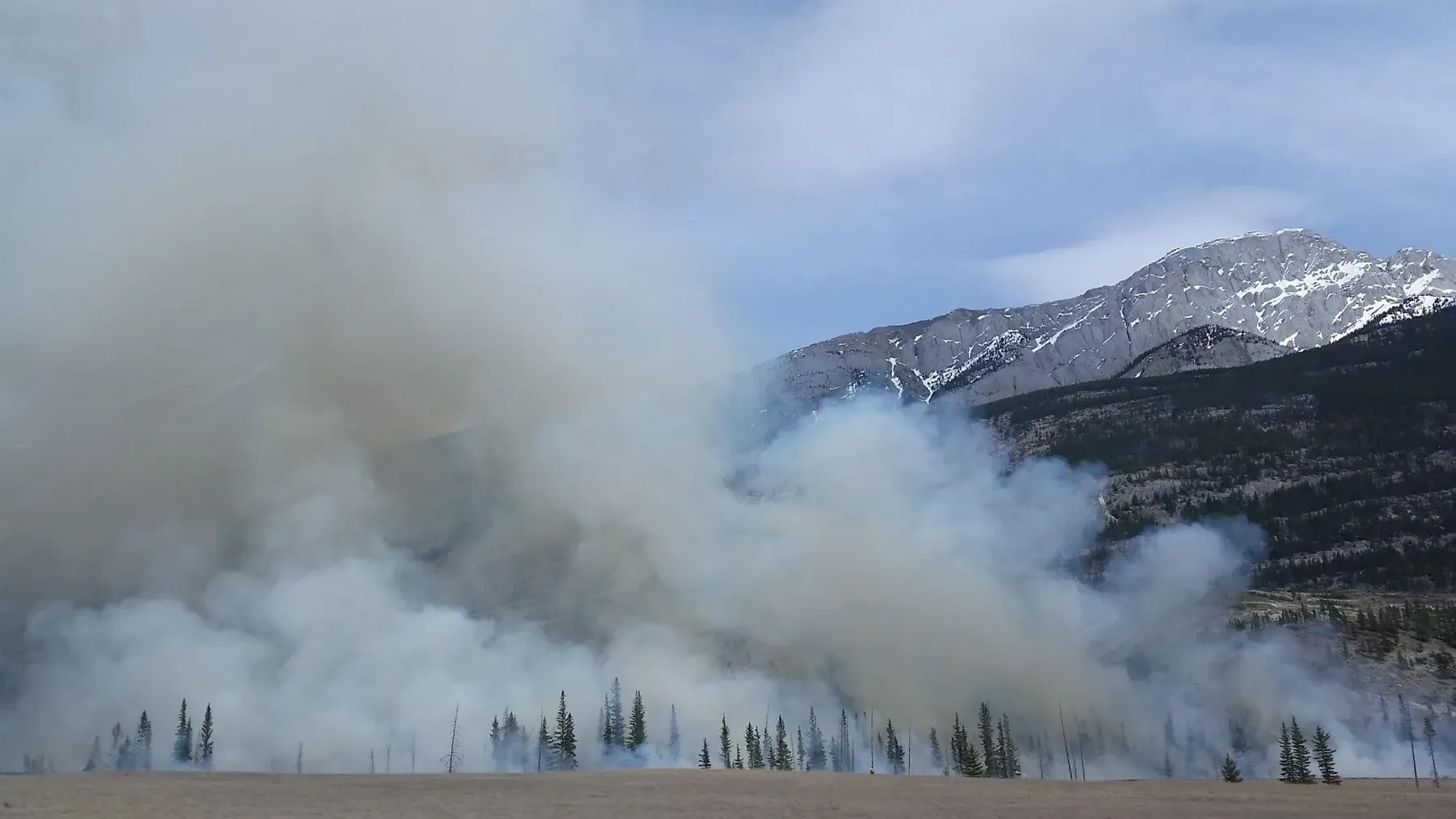
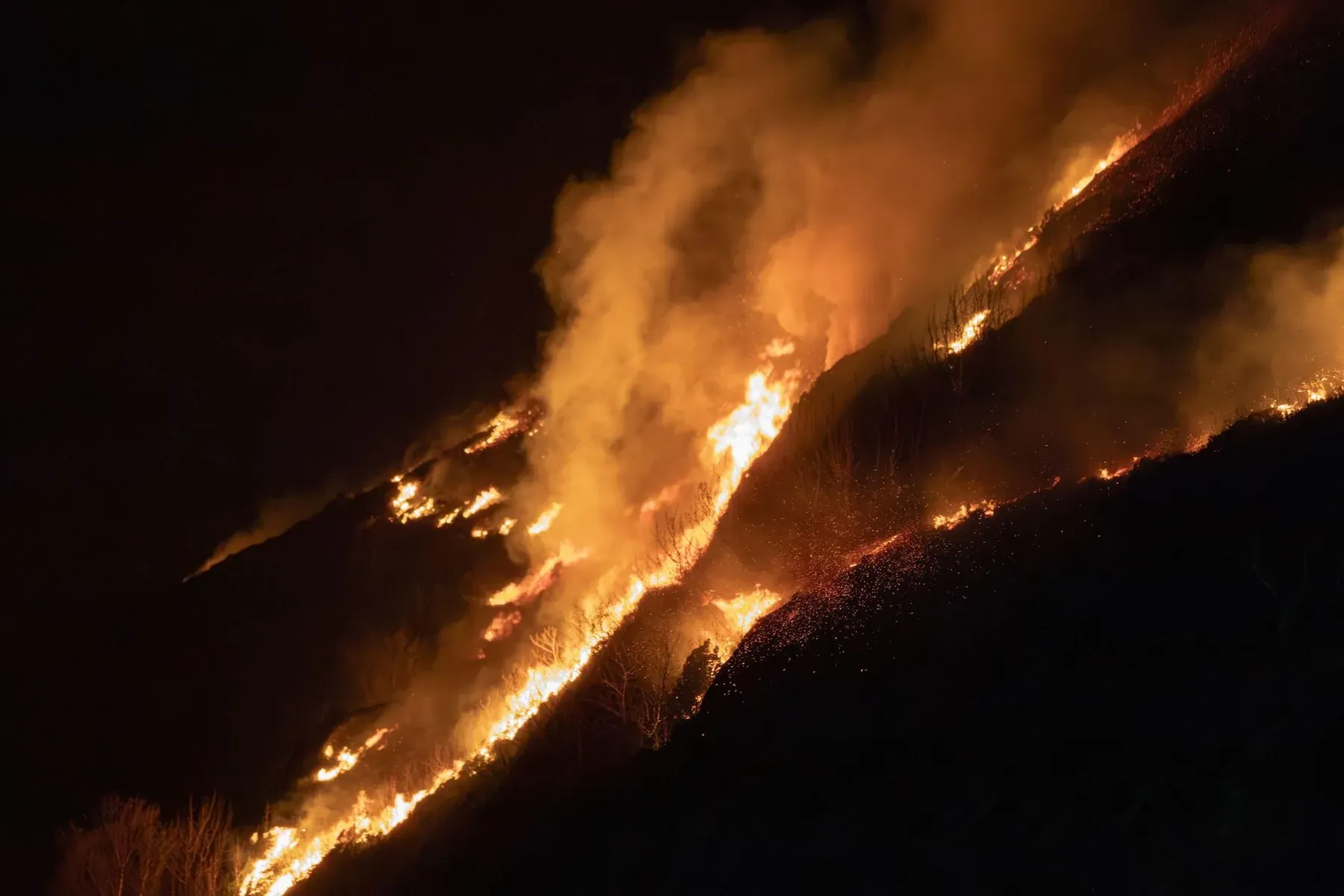
The Colorado Wildfire Resiliency Code applies to homes in mapped wildland-urban interface (WUI) areas, and it reaches existing houses through the roof. Replace 25 percent or more of the roof covering and the entire roof has to meet the code for new construction. This guide covers what that means for your roof, where the code is in force around Colorado Springs, and how it collides with a hail claim.
What the code is, and what it isn't
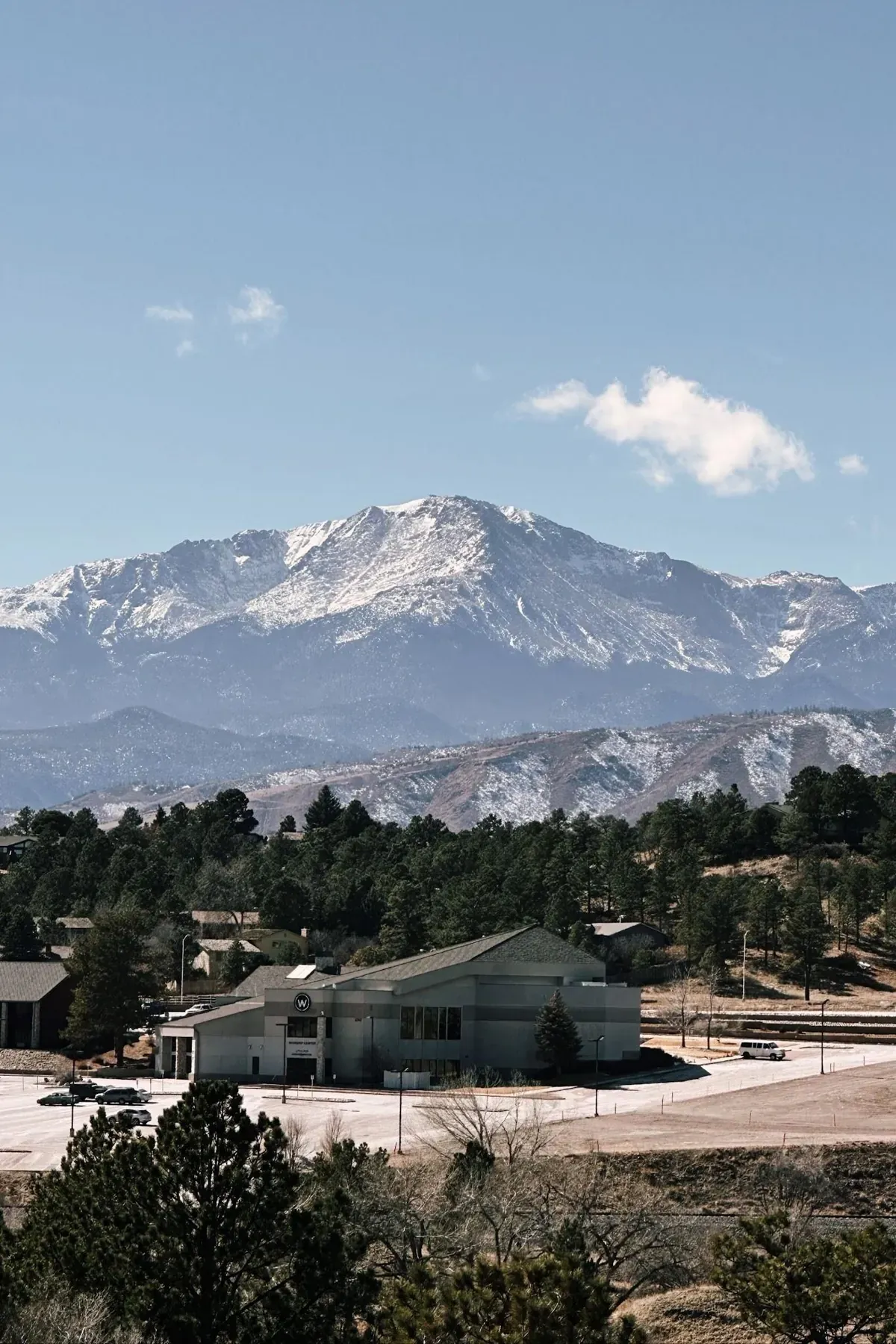
The state's Wildfire Resiliency Code Board adopted the code on 1 July 2025, under a 2023 law (SB23-166). Local governments and fire districts with WUI areas had until 1 April 2026 to adopt it or something stricter, and enforcement began on 1 July 2026 in places such as unincorporated El Paso County and the Black Forest fire district.
The code does not order you to retrofit a house you aren't working on. Existing homes keep their legal status until a project triggers it. The triggers homeowners run into are replacing 25 percent or more of the roof, replacing 25 percent or more of the siding, and adding 500 square feet or more of footprint.
Each WUI parcel carries a fire intensity rating of low, moderate or high on the official map. Low means "Class 1" hardening rules. Moderate and high mean "Class 2," which adds requirements for walls, eaves, windows and decks. If you think your parcel is mapped wrong, the code lets you request a site-specific "ground-truthing" review backed by a qualified wildfire professional.
The 25 percent roof rule in plain English
Section 101.6 of the state code text says that when a roof covering is replaced, or 25 percent or more of the roof's surface is replaced, or the work effectively replaces the covering, the entire covering must be redone to the new-construction standard. Repairs to less than 25 percent are exempt. So is a roof whose existing covering already meets the code's Class A requirement, although your building official decides whether yours does.
What a code-compliant roof needs
- A Class A roof covering or assembly, tested under ASTM E108 or UL 790. That's the highest fire rating for roofs.
- Ember protection under profiled roofs. Where tile or some metal panels leave a gap above the deck, that space has to be firestopped, laid over a cap sheet meeting ASTM D3909, or installed as a listed Class A assembly.
- Metal valleys. Valley flashing must be at least 26-gauge (0.019 inch) corrosion-resistant metal, over a 36-inch-wide cap sheet running the full length of the valley.
That last item surprises people. Most asphalt roofs in the Pikes Peak region have woven or closed-cut shingle valleys. Under the code, a full reroof in a mapped area gets metal.
New homes also need noncombustible gutters and ember-resistant attic vents (listed under ASTM E2886, or covered with noncombustible mesh no larger than 1/8 inch). The reroof trigger in Section 101.6 points to the roof covering sections, so ask your permit office whether it will also inspect gutters and vents on your job.
| Existing roof | Already Class A? | Repair under 25% | 25% or more replaced |
|---|---|---|---|
| Fiberglass asphalt shingle | Usually. Confirm on the bundle wrapper or product data sheet | Repair as normal | New Class A shingles plus metal valleys over cap sheet |
| Untreated wood shake | No | Allowed under the exemption | Whole roof replaced with a Class A covering |
| Concrete or clay tile | Usually, as an assembly | Repair as normal | Full reroof with the gap at the tile profile blocked against embers |
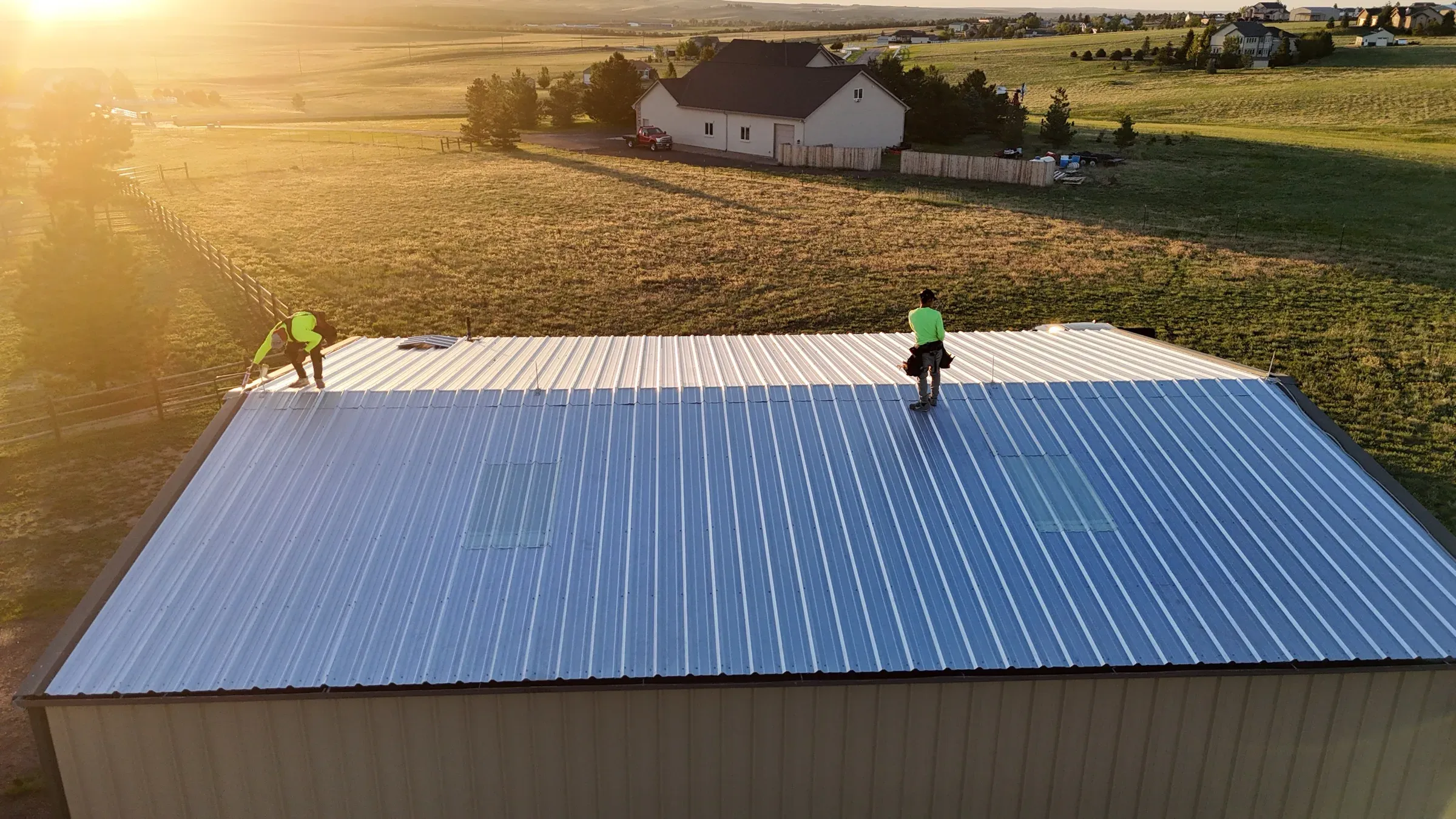
| Metal panels | Depends on the tested assembly | Repair as normal | Listed Class A assembly, or cap sheet or firestopping underneath |
How the code collides with a hail claim
Picture a cedar shake roof in Woodland Park. A June storm damages three of six slopes, about 40 percent of the roof. The adjuster writes a scope for those three slopes. In a mapped WUI area, the code now requires the whole roof replaced with a Class A covering, because the repair crosses 25 percent and shake doesn't meet the standard.
The gap between the adjuster's scope and the code-required roof is an "Ordinance or Law" question. That coverage pays for upgrades a building code forces on a repair. Colorado requires insurers to offer it, at a limit of at least 20 percent of the dwelling coverage, when they sell or renew a replacement cost policy (HB23-1174). An offer isn't the same as having it. Some homeowners declined it or carry a lower limit, and without it the difference is yours. Our insurance claim guide shows where Ordinance or Law fits in the claim payments.
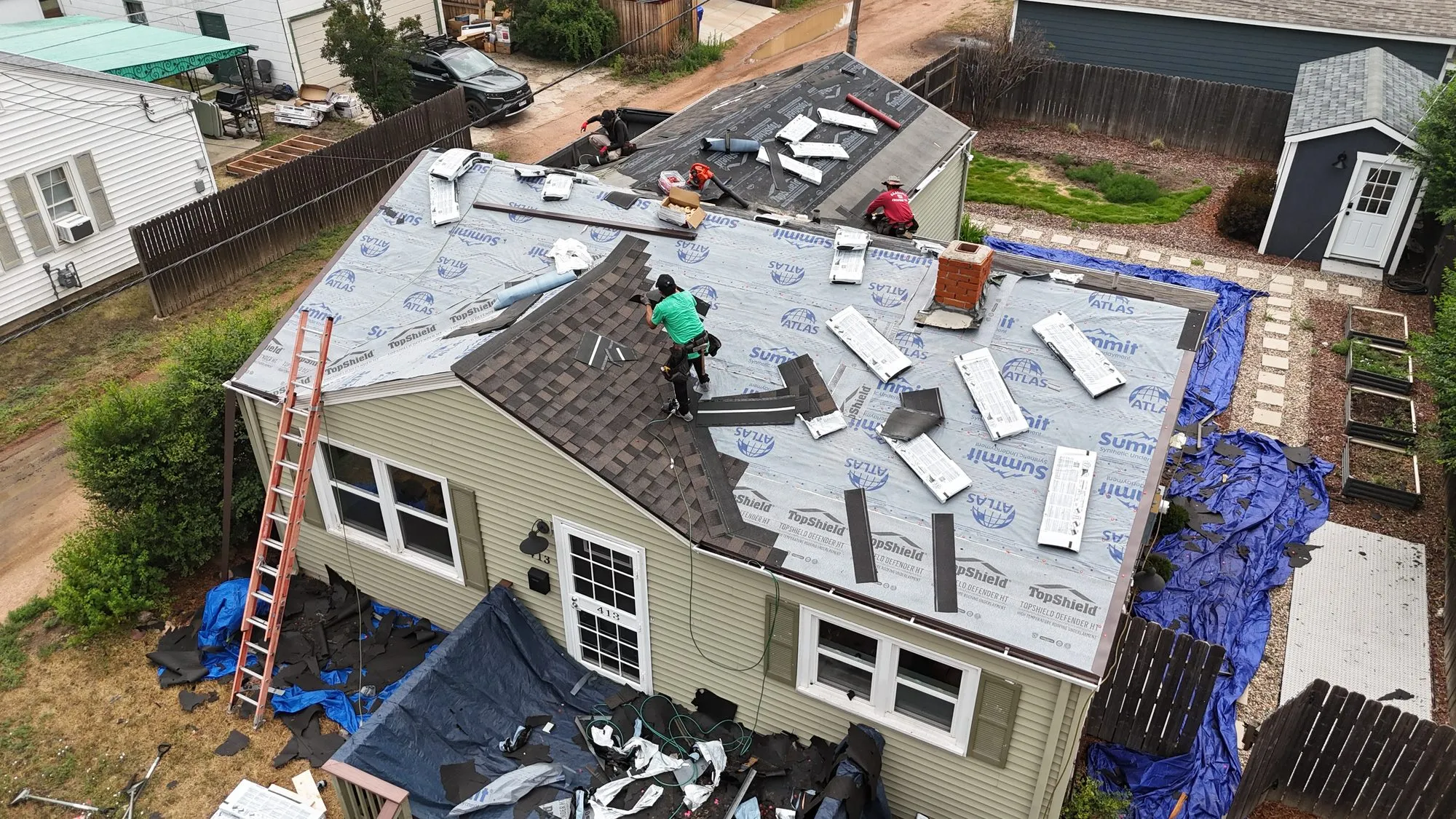
Asphalt roofs face a smaller version of the same problem. On a full replacement, the metal valleys and cap sheet are code items a first scope may leave out. We document them with the code section and submit them as supplements through our insurance claim support.
Where the code stands around Colorado Springs
Adoption and enforcement run through counties, towns and fire protection districts, and they don't line up neatly. The table shows what we could confirm from official and public-meeting sources as of 9 November 2026.
| Area | What we confirmed | Who to ask |
|---|---|---|
| Unincorporated El Paso County | County commissioners approved Land Development Code amendments and Appendix E on 23 June 2026, and the code took effect 1 July 2026 | El Paso County Planning and Community Development, and your fire district |
| Black Forest | Black Forest Fire Rescue adopted the code in December 2025 and began full enforcement on 1 July 2026. It requires a compliance form on every applicable permit and charges $100 (Class 1) or $300 (Class 2) for review and a final inspection | Black Forest Fire Rescue, 719-495-4300 |
| Green Mountain Falls | Trustees adopted Ordinance 2026-05 on 5 May 2026, effective 1 July 2026 | Town of Green Mountain Falls, and Pikes Peak Regional Building Department for the building permit |
| Cascade, Woodland Park, Monument | Not confirmed in our research | Pikes Peak Regional Building Department and your fire protection district |
Black Forest Fire Rescue will not release a permit until the compliance form is in, fees are paid and inspections are done. That adds time to a reroof, so get the paperwork started before you pick a start date.
Before you sign a reroof or a large repair
- Check whether your parcel is mapped, and at what intensity class, through El Paso County's planning site or your town.
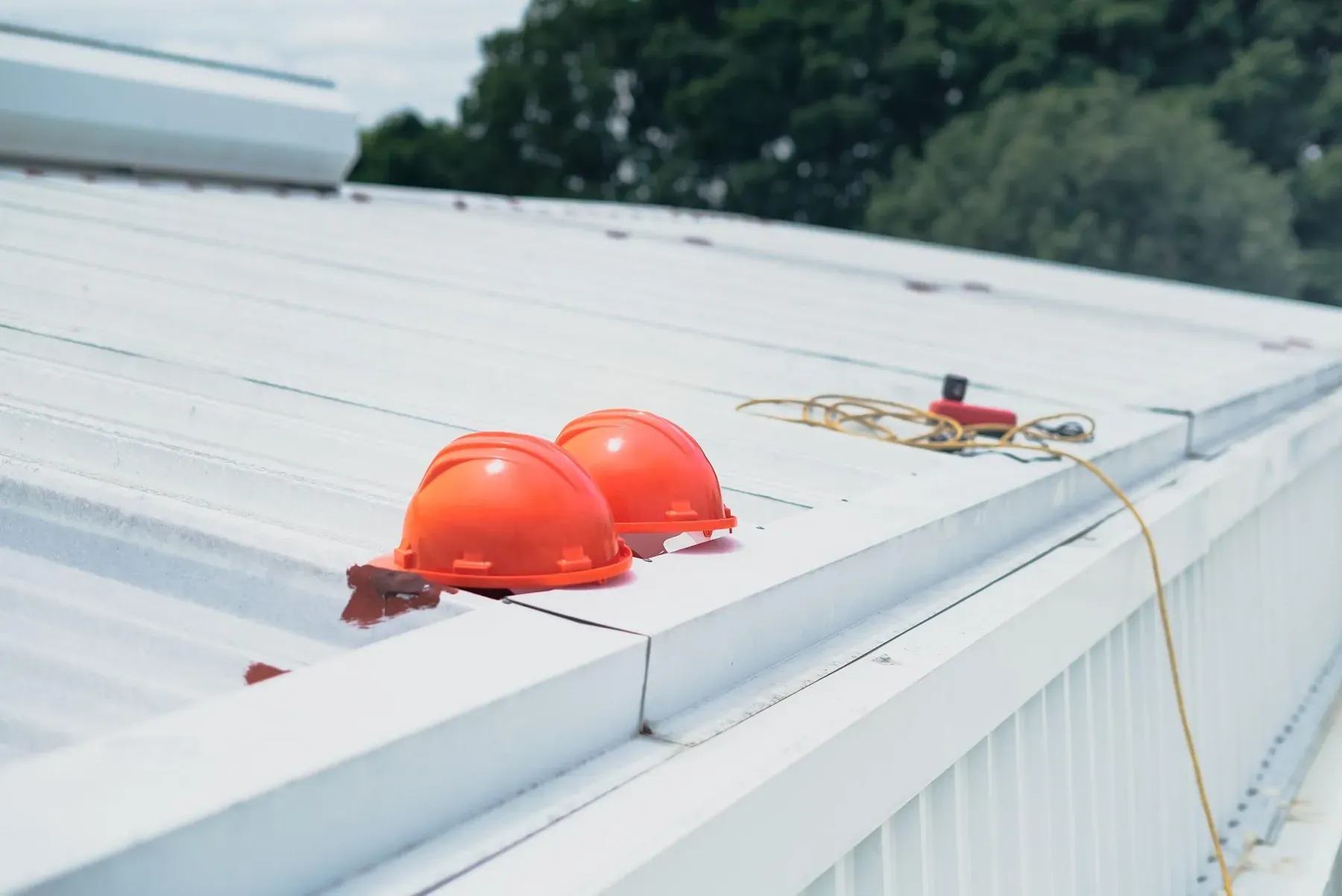
- Ask your roofer to state in writing whether the work crosses 25 percent and which code items follow from that.
- Pull your declarations page and look for Ordinance or Law coverage and its limit.
- For a designated historic home, ask the building official about the code's historic-structure variance. It covers listed or locally designated buildings, which may include some of the older cottages in Green Mountain Falls.
- Don't let materials arrive before the permit issues. In the Pikes Peak region that can bring a stop-work order.
Getting a WUI roof right the first time
The wildfire code turns some ordinary repairs into full replacements, adds metal valleys to asphalt reroofs and pulls shake roofs off the mountain one claim at a time. The homeowners who come out ahead know their map class and their Ordinance or Law limit before the next storm.
Alta Roofing works the Ute Pass and Tri-Lakes every week, from Cascade and Woodland Park to Monument. We pull the permit through the right office and build Class A roof replacements to the code. If you want to know where your roof stands under the new rules, book a free inspection.